
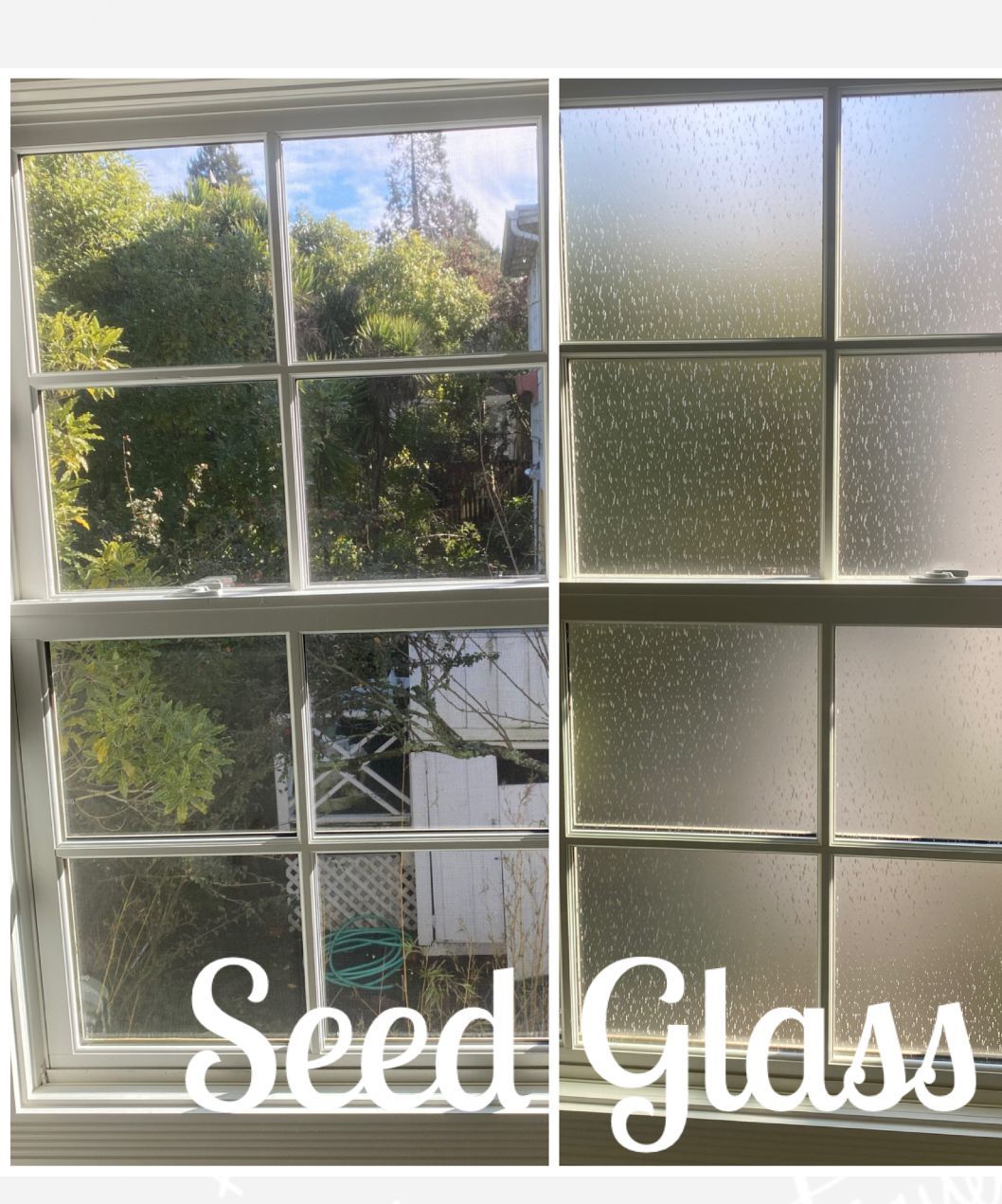
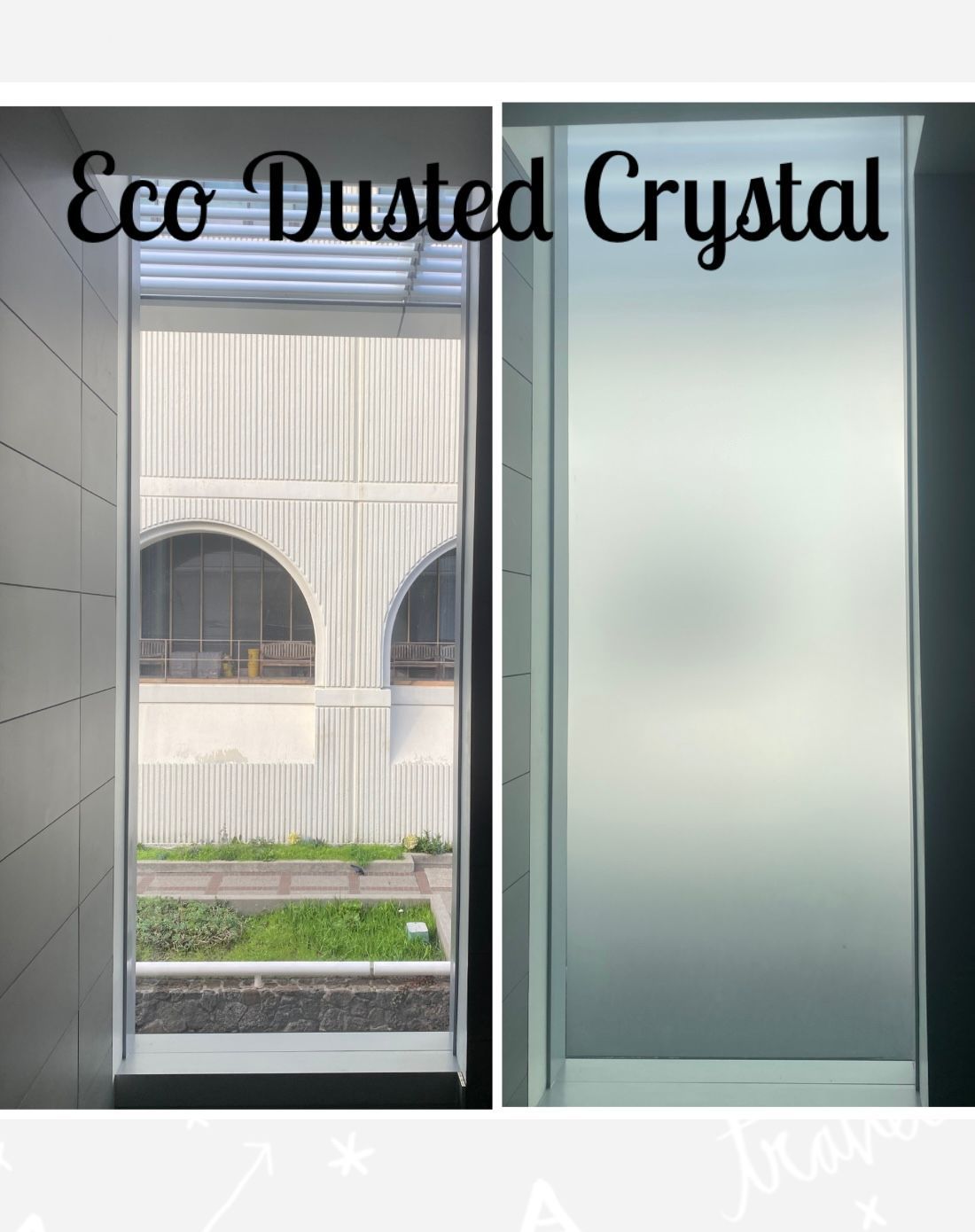
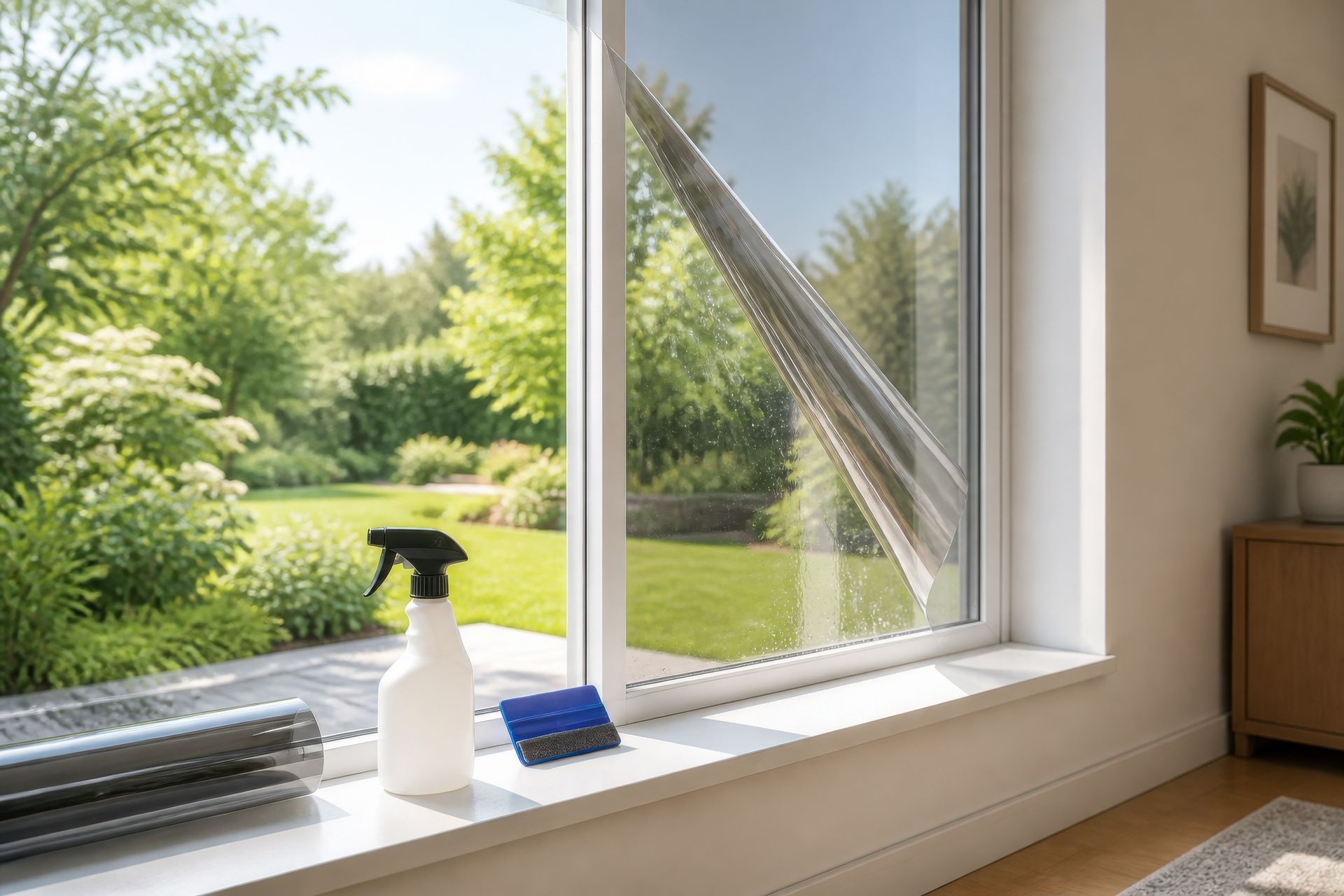
Why Do Furniture, Floors, and Fabrics Fade in the First Place? Sun damage isn't caused by one single culprit — it's the combined effect of three types of energy that pass through ordinary glass every day: · UV rays (about 40% of fading damage): Invisible and present even on overcast Bay Area days, UV radiation breaks down dyes and fibers at a molecular level. · Visible light (about 25% of fading damage): The brightness that makes a room feel sunny is also degrading color pigments in upholstery, artwork, and wood finishes. · Heat/infrared energy (about 25% of fading damage): Heat buildup near windows dries out and warps wood floors, cabinetry, and furniture over time. · Other factors (the remaining share): Humidity, dye quality, and fabric type also play a role. Standard residential and commercial glass filters very little of this. That's why a rug or hardwood floor near a west-facing window can visibly fade within a year or two, even in a region known for its mild climate. Why Fade Damage Is a Real Issue for Bay Area Homes and Businesses Many Bay Area residents assume fog and moderate temperatures mean less sun damage than in hotter climates. In reality, the region's microclimates create fading risk from multiple directions: · Inland communities like Livermore and Walnut Creek see significantly more direct sun and higher temperatures than the coast, accelerating fading in homes with large west- or south-facing windows. · Oakland and Castro Valley experience long stretches of clear, sunny days, especially in summer and fall, with strong afternoon sun exposure. · San Francisco's fog doesn't block UV. UV radiation passes through cloud cover and fog far more easily than visible light does, meaning even "gray" days still contribute to long-term fading. · Floor-to-ceiling windows and open floor plans , common in newer Bay Area homes and office renovations, dramatically increase the glass surface area exposed to sun throughout the day. For homeowners with hardwood floors, leather furniture, artwork, or high-end finishes — and for businesses with retail displays, signage, or showroom merchandise — the cumulative cost of unprotected sun exposure adds up quickly in replacement and refinishing costs. How Fade Reduction Window Film Works
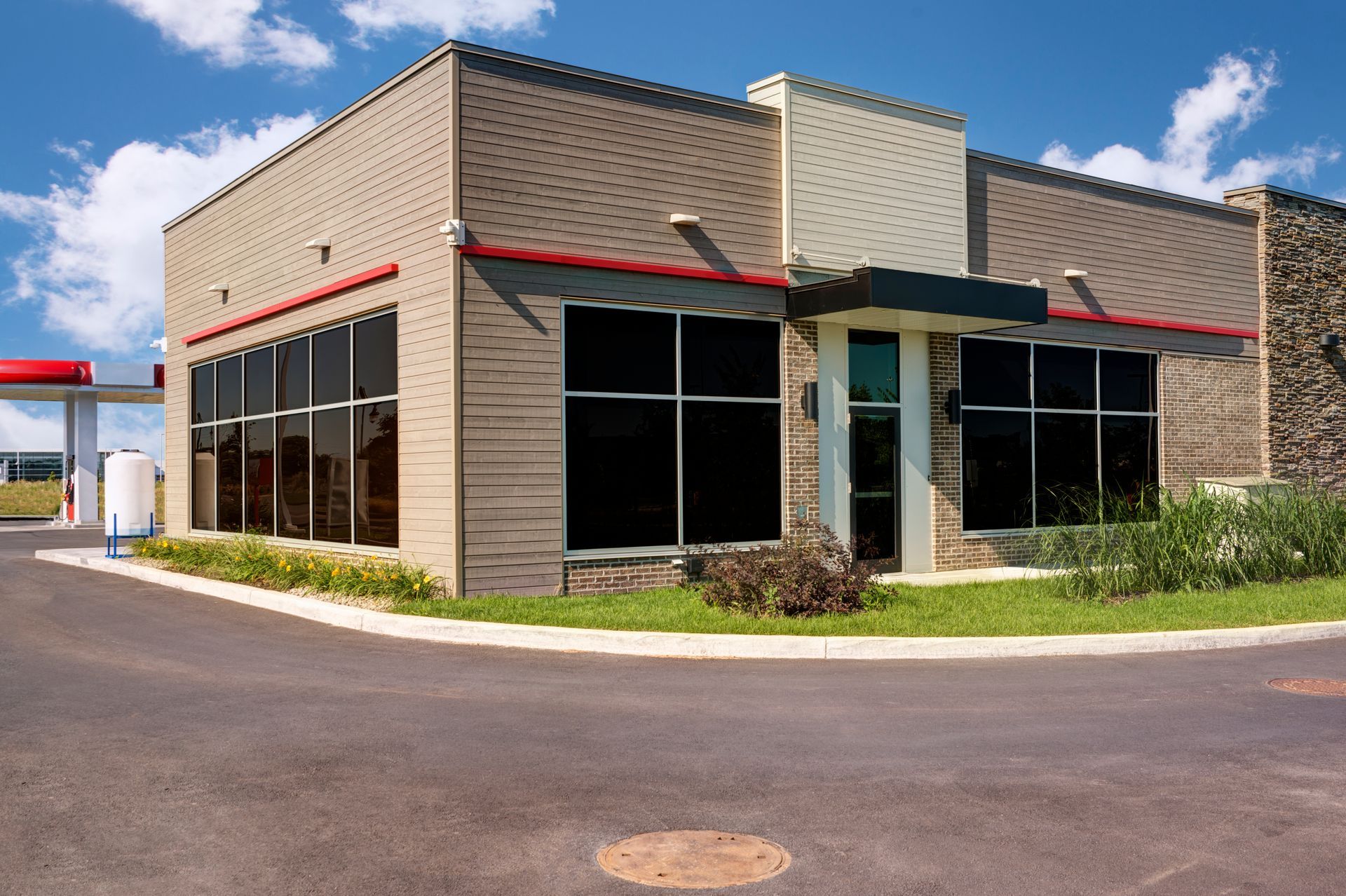
Protect your storefront with commercial window tinting in San Francisco, CA. Daystar Window Tinting offers security & anti-graffiti film. Call (510) 749-7505!
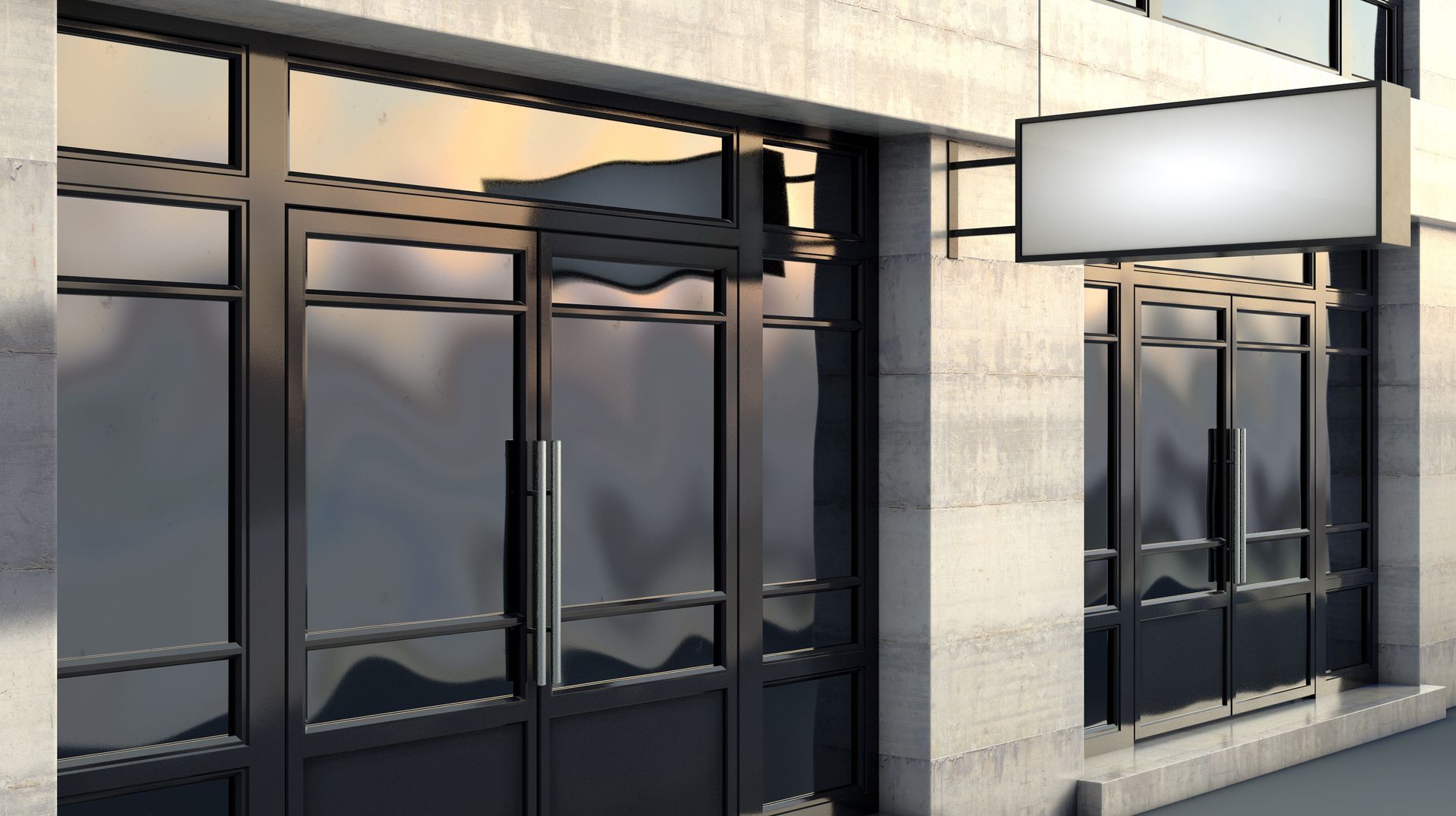
Upgrade your commercial window tinting with Daystar Window Tinting. Improve comfort and productivity. Call (510) 749-7505 today.
In busy commercial areas throughout the San Francisco Bay Area, storefront vandalism, graffiti tagging, and glass etching have become costly problems for business owners. Whether you operate a retail store in San Francisco, manage an office building in Oakland, or own commercial property in the Bay Area, protecting your windows and storefront appearance is critical to maintaining a professional image. One of the most effective and affordable solutions available today is anti-graffiti window film. Designed to protect glass surfaces from scratches, acid etching, paint, and vandalism, this protective film acts as a sacrificial barrier that can be replaced quickly and cost-effectively when damaged. Here at Daystar Window Tinting , anti-graffiti films have become increasingly popular among Bay Area commercial property owners looking to reduce maintenance costs and protect their investment. What Is Anti-Graffiti Window Film? Anti-graffiti window film is a clear sacrificial shield designed to help protect your glass from permanent damage. This protection significantly extends the lifespan of the glass. When graffiti, scratches, or etching occur, the damaged film can simply be removed and replaced without replacing the expensive glass underneath. This makes anti-graffiti film a smart long-term investment for commercial buildings, storefronts, restaurants, and retail properties. Why Graffiti Protection Matters in the San Francisco Bay Area Commercial properties in urban areas across the Bay Area frequently experience vandalism due to high foot traffic and dense population centers. Graffiti and glass damage can negatively impact customer perception and lead to costly repairs. For many businesses, replacing storefront glass multiple times per year can become a major operational expense. Anti-graffiti window film helps minimize those costs while keeping your property looking clean and professional. Key Benefits of Anti-Graffiti Window Film 1. Protects Expensive Glass From Permanent Damage One of the biggest advantages of anti-graffiti film is its ability to shield glass from permanent scratches, etching, and vandalism. Replacing commercial glass can be extremely expensive, especially for large storefronts or custom installations. Instead of replacing the entire pane of glass, business owners only need to replace the protective film layer, significantly lowering repair costs. 2. Saves Businesses Money Over Time For businesses experiencing recurring vandalism, anti-graffiti film can save thousands of dollars annually in maintenance and replacement costs. The film is affordable to install and easy to replace, making it a practical solution for retail storefronts, office buildings, restaurants, schools, and public-facing commercial properties throughout the Bay Area. 3. Maintains a Clean and Professional Storefront Appearance First impressions matter. Customers are more likely to enter a business that looks clean, safe, and well maintained. Repeated graffiti removal attempts can leave windows looking cloudy, scratched, or uneven. Anti-graffiti film helps maintain a polished appearance by allowing damaged film to be replaced quickly without affecting the glass itself. For Bay Area business owners competing in high-traffic commercial districts, maintaining curb appeal can directly impact walk-in traffic and customer trust. 4. Enhances Security and Safety Some anti-graffiti window films also add an extra layer of glass protection by helping hold shattered glass together after impact. While not a replacement for full security film, it can provide additional resistance against breakage and accidental damage. This added layer of protection can be especially valuable for: Retail storefronts Restaurants Transit-facing businesses Schools and office buildings High-traffic commercial properties Ideal Businesses for Anti-Graffiti Window Film Anti-graffiti window films are commonly installed on: Retail storefronts Restaurants and cafes Office buildings Shopping centers Government buildings Schools and universities Apartment complexes Medical offices Public transportation facilities In the Bay Area, businesses located in busy downtown districts or near transit corridors often benefit the most from proactive graffiti protection. Why Professional Installation Matters Professional installation is critical to ensuring long-term durability, proper adhesion, and a clean appearance. Poorly installed film can bubble, peel, or fail prematurely. Daystar Window Tinting has been serving the Bay Area since 1976 and specializes in commercial and residential window film installation, including anti-graffiti film, security film, decorative film, and energy-saving window tinting solutions. Final Thoughts For Bay Area business owners, anti-graffiti window film is more than just a cosmetic upgrade — it is a smart investment in property protection, cost savings, and professional appearance. With vandalism and glass damage continuing to affect commercial properties across the region, proactive protection can help businesses avoid expensive repairs while maintaining a welcoming storefront for customers. Whether you own a retail store, office building, restaurant, or commercial property, anti-graffiti window film offers a durable and cost-effective solution that keeps your business protected year-round. To learn more about commercial anti-graffiti window film installation in the Bay Area, visit Daystar Window Tinting and they will be happy to help!
Window tinting is often associated with cars—but for property owners in the Bay Area, it’s just as powerful (and often more impactful) for homes and commercial buildings. With California’s abundant sunshine, rising energy costs, and increasing focus on sustainability, understanding the difference between automotive and architectural window film is essential. In this guide, we’ll break down how they differ—and why Architectural window film is one of the smartest investments you can make for your property. Understanding the Core Difference At a glance, automotive film and architectural film may look similar—but they’re engineered for completely different environments and why choosing the proper film is essential when applying to your home or business windows. Auto window film is designed for: • Curved glass surfaces • Mobility and changing light conditions • Privacy and driver comfort Building (residential & commercial) window films are designed for: • Flat glass and large surface areas • Long-term energy performance • Consistent indoor comfort and efficiency That difference in purpose drives everything—from materials to performance expectations and most important to avoid seal failure and glass breakage on your Residential home and Commercial building windows. 1. Performance Goals: Comfort vs. Efficiency Automotive Film: Immediate Comfort Auto Films focuses on: • Reducing interior heat while driving or parked • Blocking glare for safer driving • Protecting upholstery from UV damage It’s about short-term comfort in a constantly changing environment. Architectural Films: Long-Term Energy Savings Residential and commercial tinting is engineered for continuous performance : • Reduces solar heat gain significantly (up to 79% in some cases) • Cuts cooling costs by 15–40% annually • Can deliver ROI in as little as 2–5 years In the Bay Area—where sunny afternoons and glass-heavy architecture are common—this translates to real, measurable savings over time. 2. Scale and Impact Cars: Small Space, Short Duration Tinting a vehicle affects a relatively small enclosed space. Benefits are noticeable but limited to: • Driver comfort • Fuel efficiency improvements (via reduced AC use) Buildings: Large Scale, High ROI In homes and commercial buildings, the impact is exponentially larger: • One-third of cooling load often comes from window heat gain • Energy-saving films can reduce building energy use by up to 15% or more • Commercial buildings can save thousands annually on HVAC costs For Bay Area businesses dealing with high utility costs, this is a game changer. 3. Technology Differences Automotive Films • Designed for flexibility (to fit curved glass) • Often dyed, metallic, or ceramic • Focus on appearance + basic heat rejection Architectural Films • Thicker, more durable, and engineered for longevity • Advanced technologies like spectrally selective films • Designed to optimize Solar Heat Gain Coefficient (SHGC) and insulation • Film to Glass Chart to help avoid glass breakage and seal failures These films are built to perform year-round, not just during a drive. 4. Benefits for Bay Area Homes Residential window tinting is especially valuable in Northern California’s climate, where homes experience both warm sun exposure and cooler evenings. Key benefits include: • Improved comfort: Keeps indoor temperatures consistent throughout the day • Lower energy bills: Reduces reliance on air conditioning • UV protection: Blocks up to 99% of harmful rays, protecting skin and interiors • Enhanced privacy: Maintains natural light while limiting visibility from outside For homeowners in the Bay Area, this means a more comfortable, energy-efficient living space without sacrificing views. 5. Benefits for Commercial Buildings Commercial window tinting goes beyond comfort—it’s a strategic business investment. Key Advantages: • Reduced glare on screens → better productivity • Consistent indoor temperatures → fewer tenant complaints • Lower operating costs → major HVAC savings • Professional appearance → modern, uniform exterior Additionally, commercial films can: • Extend HVAC lifespan by reducing system strain • Deliver a strong ROI within a few years In high-cost regions like Silicon Valley and the greater Bay Area, these benefits quickly add up. 6. Installation: DIY vs. Professional Expertise Car tinting is sometimes approached as a DIY project—but building tinting is a different story. Why professional installation matters for buildings: • Large glass surfaces require precision • Film selection must match building orientation and usage • Improper installation can lead to bubbling, peeling, or reduced performance • Incorrect film selection can lead to glass breakage and seal failure That’s why working with an experienced provider is critical. Why Choose a Professional Like Daystar Window Tinting? When it comes to residential and commercial window tinting in the Bay Area, expertise makes all the differen ce. Daystar Window Tinting stands out as a trusted provider specializing in high-performance architectural window films for over 50 years and counting. What sets them apart: • Tailored solutions for homes, offices, and commercial properties • Deep understanding of California climate and energy challenges • Professional-grade films designed for maximum heat rejection and longevity • Expert installation that ensures clean results and long-term performance Whether you’re looking to reduce energy bills, improve comfort, privacy, UV protection, or upgrade your building’s appearance, partnering with a specialist like Daystar ensures you get the full value of your investment. Final Thoughts While car and building window tinting may seem similar on the surface, they serve very different purposes. • Automotive Films = short-term comfort, and aesthetics • Architectural Film = long-term energy efficiency, and cost savings In a region like the Bay Area—where sunlight, sustainability, and energy costs intersect—architectural window tinting isn’t just an upgrade. It’s a strategic decision. If you’re considering window tinting for your home or business, working with an experienced provider like Daystar Window Tinting can help you maximize comfort, efficiency, and return on investment for years to come.